The Storyteller Behind Mike Nicholls Live
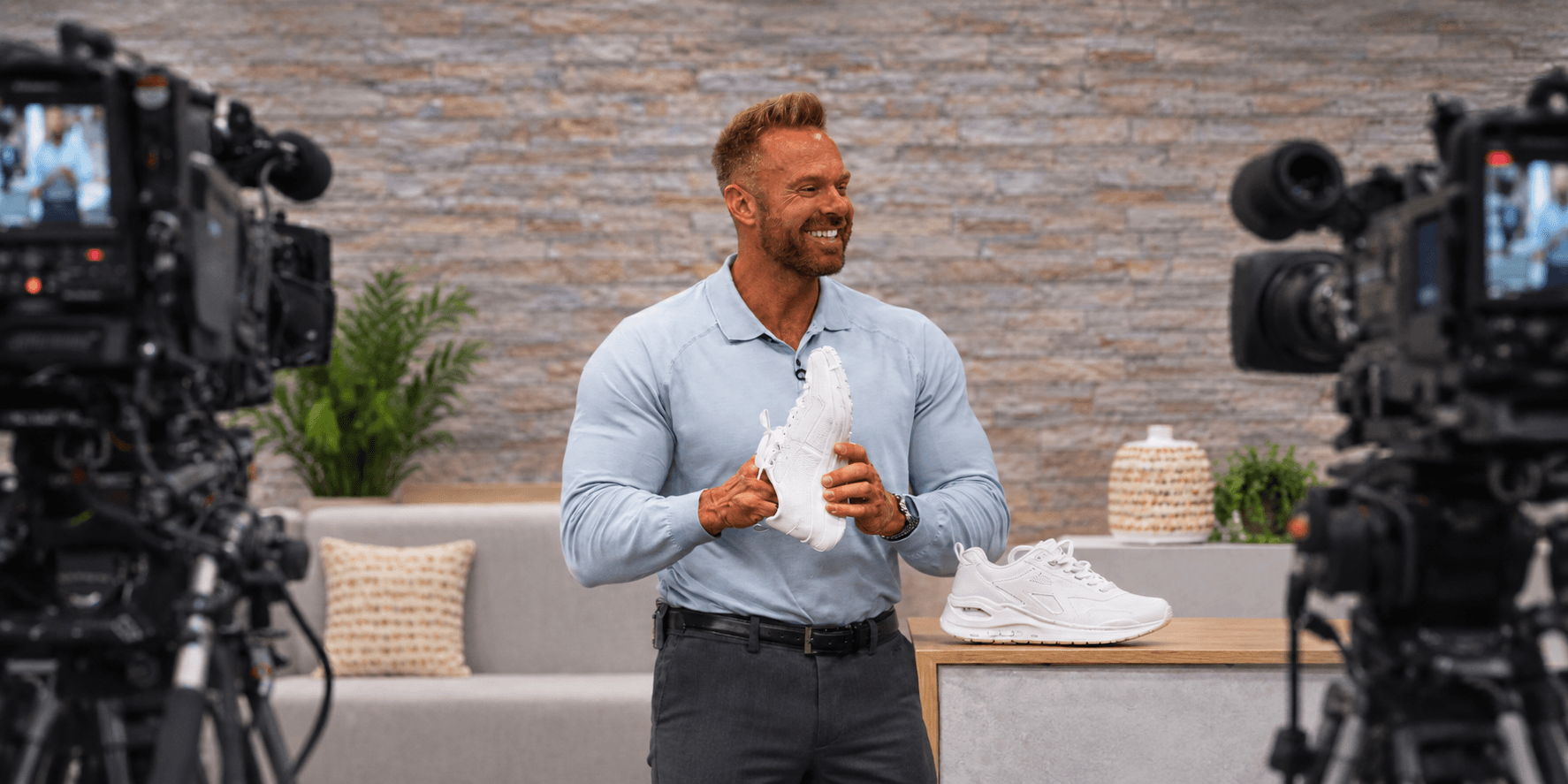
In a world where anyone can sell, Mike Nicholls is betting everything on trust.
The way we shop is changing faster than at any point in decades. For years, brands controlled the conversation. Advertising told us what to buy, retailers told us where to buy it, and television carried products directly into our living rooms. Now that familiar world is dissolving. TikTok, livestream shopping, and creator-led selling have blurred the lines between entertainment, influence, and retail. Anyone with a smartphone can become a salesperson. And that raises a question Mike Nicholls thinks about constantly: who do consumers actually trust?
From Broadcast Studio to Social Commerce
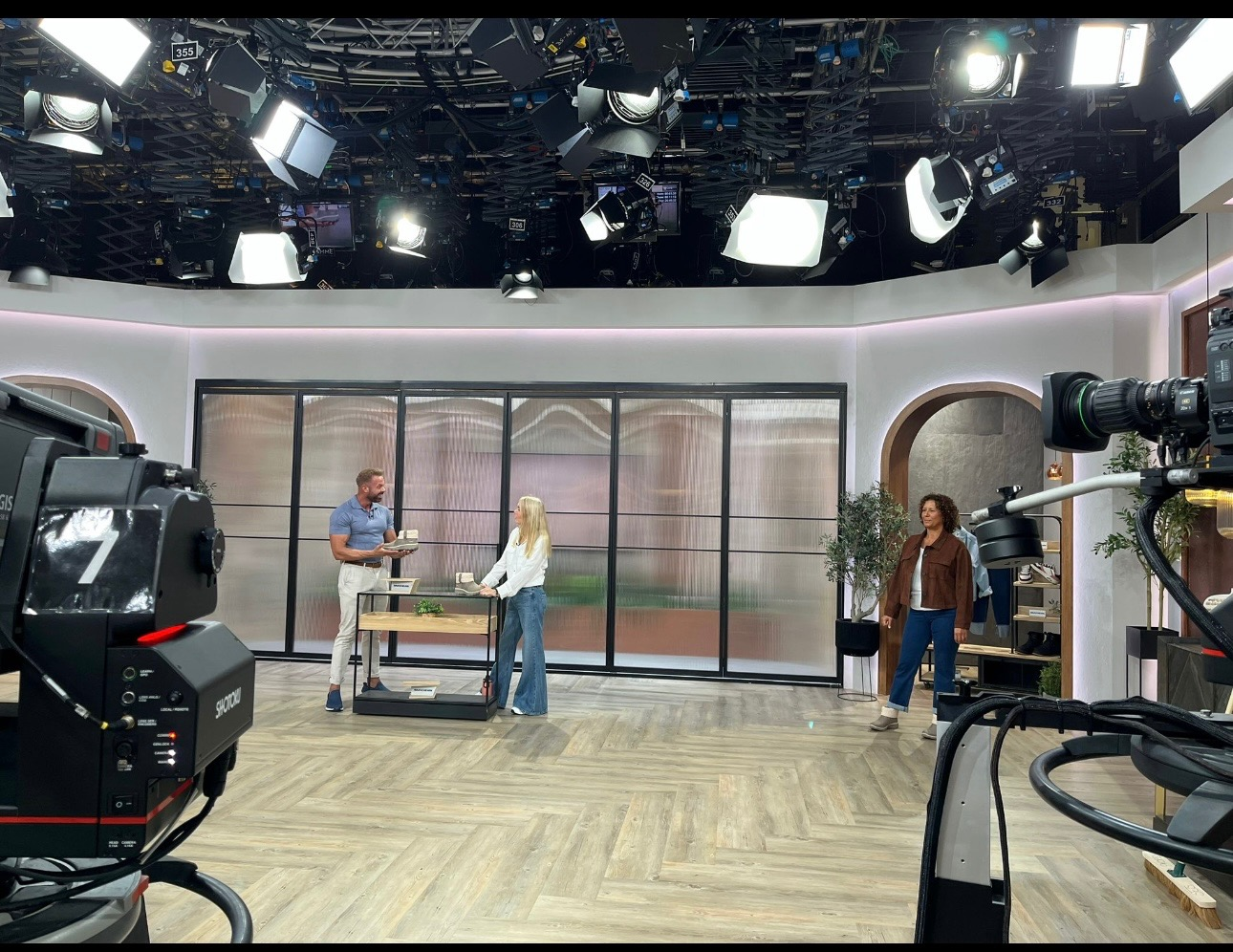
Mike Nicholls is a television presenter, live-selling specialist, and brand storyteller. Through Mike Nicholls Live, he represents global brands across television and social platforms, bringing products to life through the oldest tool in commerce: human connection.
What makes his position unusual is that he works on both sides of the changing retail landscape. He presents established brands in a broadcast environment while also selling through the fast, spontaneous world of social commerce. That dual vantage point lets him see where shopping has come from and where it is heading.
His philosophy, however, is deliberately old-fashioned. For Mike, great selling is not about convincing somebody to buy something they do not need. It is about understanding the customer, telling a product's story honestly, and giving people enough truthful information to decide whether it belongs in their life.
Why Stories Beat Specifications
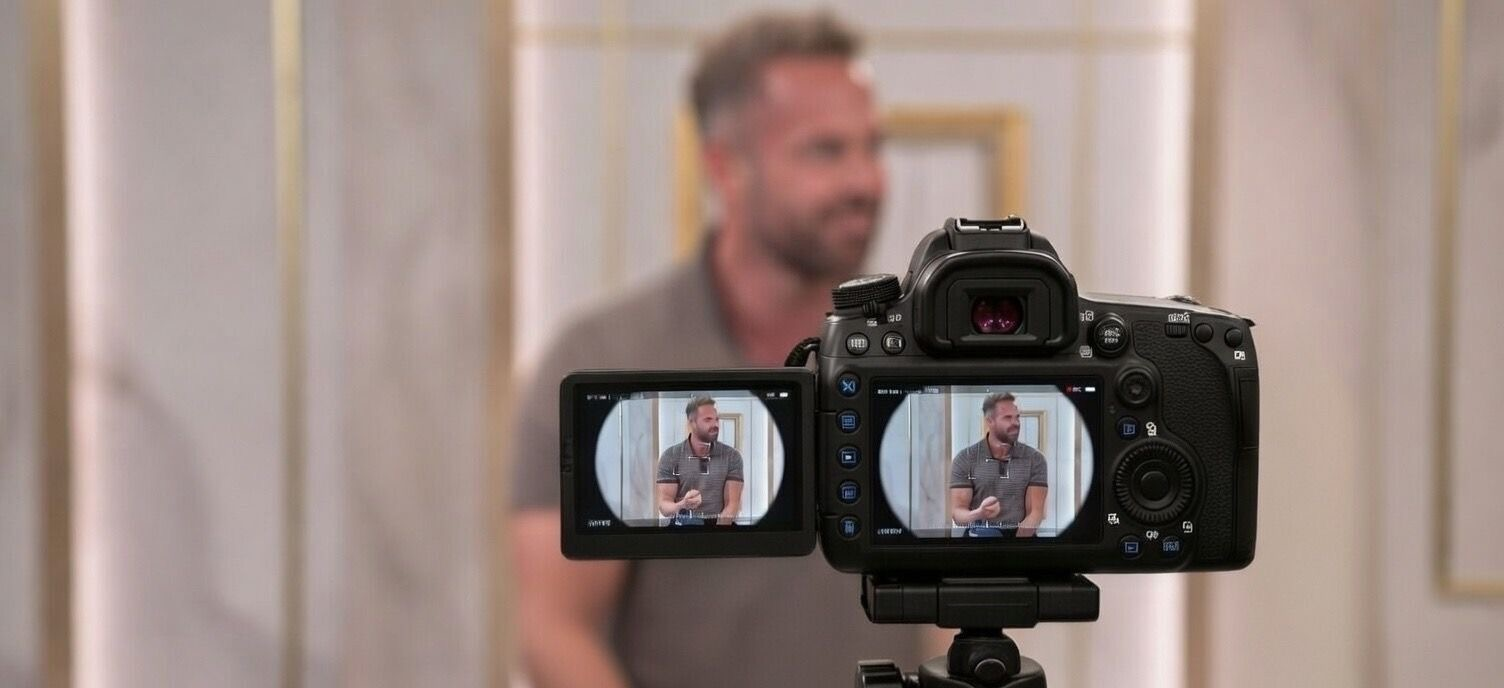
Mike is a storyteller first. He believes audiences rarely remember a list of features. They remember how a story made them feel. So rather than reciting what a product has, he searches for why that feature might matter to the person watching.
"People rarely go home and tell somebody about a product specification," Mike says. "They tell them a story: where they found something, why they loved it and how it made their life better. That's the part of selling I'm fascinated by."
This approach turns products into experiences, demonstrations into conversations, and live broadcasts into moments where customers feel understood rather than simply sold to. It is a skill that crosses the divide between traditional television and modern social platforms, and it becomes more valuable as commerce grows more automated.
Artificial intelligence can write product descriptions. Algorithms can predict what we might want. Platforms can place products in front of millions almost instantly. But technology cannot manufacture trust. That, Mike argues, remains a distinctly human responsibility.
Everyone Can Sell Now. So Who Do We Trust?
Recent research underlines why this matters. Around one third of the UK online population actively follows influencers for recommendations, according to Advertising Standards Authority research published in 2026. Yet roughly eight in ten people want influencers to make it clear upfront when they are advertising something.
The confidence gap is striking. While about half of people believe they are good at recognising influencer advertising, only around half could correctly identify influencer posts as adverts when shown real examples. More than a quarter failed to recognise the advertising at all.
The scale of the challenge is significant. The ASA analysed more than 50,000 pieces of Instagram and TikTok content from 509 UK-based accounts. It estimated that only 57 percent of influencer advertising complied with disclosure requirements, while 34 percent contained no advertising disclosure whatsoever. In 2024 alone, the ASA received more than 3,500 complaints about potential failures to disclose social-media advertising.
This does not mean influencer marketing is inherently bad. It simply shows how quickly the relationship between content and commerce is evolving, and why transparency has become essential.
"The biggest challenge facing modern selling isn't getting somebody's attention," Mike says. "We've become incredibly good at that. The challenge is deserving their trust once you've got it."
Better Selling, Not Less Selling
Mike does not want to slow down social commerce. He wants to raise its standards. "I don't think social selling needs less selling," he explains. "I think it needs better selling. More transparent, more knowledgeable and more human."
That is where his broadcast background proves valuable. Representing established global brands teaches a particular discipline: understand the product, substantiate every claim, and remember that a real customer sits on the other side of the camera, making a decision with their own money. Mike brings those principles into the newer, faster world of social selling.
His personal standard is simple and self-imposed. "If I wouldn't comfortably recommend something to someone I cared about, why would I recommend it to thousands of people watching me?"
That integrity is not nostalgia. In an environment crowded with AI-generated content, affiliate links, and algorithms, a trusted name becomes commercially valuable. When everybody can sell, the people consumers choose to believe will matter more than ever.
The Salesperson of the Future
Mike believes the boundaries between presenter, creator, entertainer, and salesperson will keep dissolving. Television is learning from creators. Creators are becoming retailers. Retailers are becoming media companies. Brands increasingly need personalities who can speak directly to customers.
The winners in this new world will not necessarily be those who sell the hardest. They will be the people audiences actively choose to spend time with, and whose recommendations they believe.
"The salesperson of the future might not look like a salesperson at all," Mike says. "They could be a presenter, creator, expert or storyteller. But whatever we call them, their greatest asset will be their reputation."
He notes an important difference between the old world and the new one. Television offered audiences an obvious separation between programming and advertising. Social media rarely does, which is why the ASA warns that influencer advertising can sit quietly inside ordinary content and prove harder for consumers to recognise. That reality makes trusted voices more important, not less.
A Human Constant in a Changing World
For all the disruption, Mike's prediction about the future of shopping is surprisingly straightforward. "The platforms will change. The technology will change. The way we pay will change. Human nature won't. We'll continue buying from people who make us feel understood, and people we trust."
We are entering a strange new retail world where the shop assistant might be a creator, the television channel might be a smartphone, and the next global shopping phenomenon could begin in someone's spare bedroom. Mike Nicholls stands at the intersection of these worlds, combining the professionalism of traditional broadcasting with the personality and immediacy of the social-media age.
If you represent a brand that wants to communicate differently, to be seen, heard, and genuinely believed, Mike Nicholls Live offers a rare combination: modern selling, human storytelling, and old-fashioned integrity. Do not just show the product. Tell the story. Those interested are welcome to reach out to Mike directly to bring their brand to life in front of the audiences who matter most.
Explore More About Mike Nicholls Live
Connect with Mike Nicholls on Instagram or contact him directly by email at mike.d.nicholls@outlook.com.
Biz Weekly Contributor
Covers business, leadership, and entrepreneurship, highlighting emerging companies and the people behind them.
This article features partner, contributor, or branded content from a third party. Members of the Biz Weekly editorial staff were not involved in the creation of this content. All views and opinions are those of the contributor alone.