Nvidia Expands Share Buyback by $150 Billion as AI Demand Continues to Drive Growth
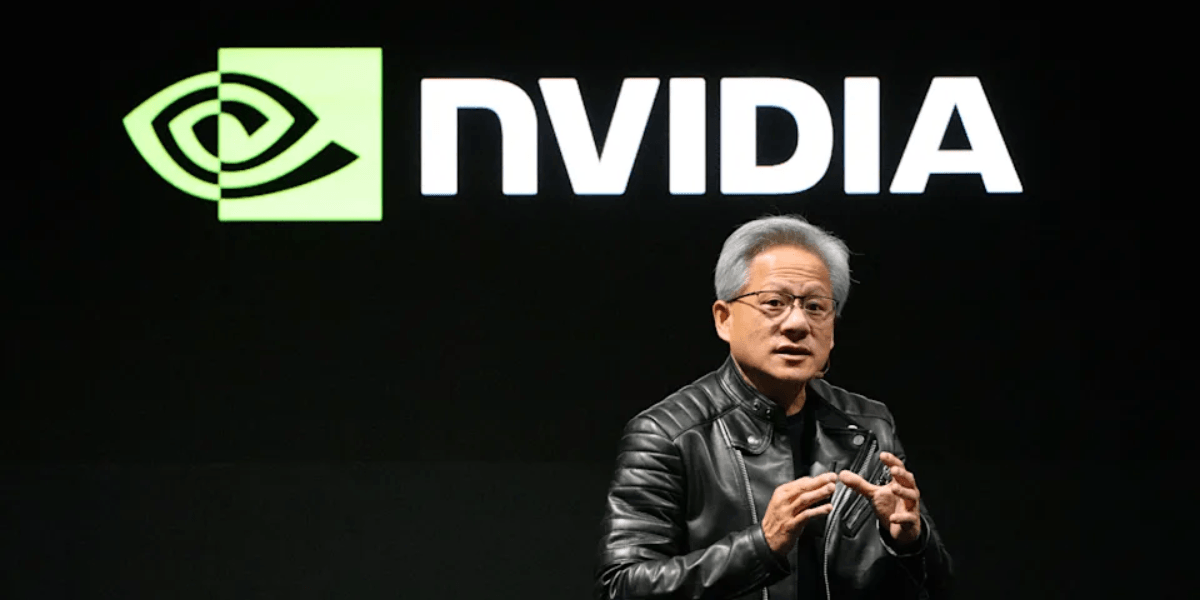
Nvidia has approved a $150 billion increase to its share repurchase authorization, creating what Reuters reported as the largest increase in a buyback authorization on record and highlighting the extraordinary cash generation associated with the company's position in the artificial intelligence industry.
The additional authorization raises Nvidia's remaining buyback capacity to $235 billion, which the company expects to use through fiscal 2028. Nvidia's shares rose following the announcement as the market assessed the move alongside continued demand for the company's AI processors and related technology.
The decision comes as Nvidia remains one of the primary suppliers of the computing hardware powering the expansion of generative AI and other advanced AI applications. Demand for its processors has driven rapid revenue growth as technology companies and data-center operators invest heavily in computing capacity.
Nvidia's financial position has allowed the company to pursue both aggressive investment and shareholder returns. The buyback announcement demonstrates how the AI boom has translated into substantial cash generation for one of the industry's most important hardware suppliers.
Share repurchases allow companies to use corporate cash to buy their own shares. Nvidia's expanded authorization does not require the company to spend the entire amount immediately, but it gives management greater flexibility to repurchase stock through fiscal 2028.
The size of the authorization is particularly notable because it exceeds Apple's previous $110 billion record set in 2024. Nvidia's new authorization therefore places the company at the center of a broader discussion about how major technology companies are deploying the cash generated during the current AI investment cycle.
The decision also comes as competition within the AI-chip industry intensifies. Nvidia remains the dominant supplier of advanced AI accelerators, but competitors including AMD and Intel are increasing their efforts to capture a larger share of the rapidly expanding market.
Nvidia's management has argued that demand is being driven by a broader transition toward AI and accelerated computing. Chief Executive Jensen Huang described the company's growth as being connected to a major platform shift toward AI, reinforcing Nvidia's view that demand extends beyond a short-term technology cycle.
The company is simultaneously investing in the next generation of AI infrastructure and software. Nvidia has increasingly expanded beyond selling individual processors, developing networking products, software and systems intended to support large-scale AI deployments.
That broader strategy matters for businesses because AI adoption increasingly depends on entire computing ecosystems rather than individual chips. Data centers need processors, networking equipment, software and power infrastructure capable of operating large AI workloads.
The buyback announcement therefore sits alongside a much larger capital-investment cycle. Technology companies are spending enormous amounts on data centers and computing infrastructure, while Nvidia benefits from supplying many of the components needed to support that expansion.
At the same time, the scale of AI investment has prompted questions about how sustainable the current spending cycle will be. Companies building AI infrastructure must generate enough revenue from AI services and applications to justify their capital expenditures over time.
Nvidia's decision to expand its buyback provides one indication of the company's confidence in its financial position. The company has accumulated substantial cash while demand for its products remains strong, allowing it to return capital while continuing to invest in its technology portfolio.
The move also illustrates how the AI boom is reshaping corporate finance. Companies at the center of the technology cycle are not only increasing capital spending but also making unusually large decisions about cash allocation, acquisitions, research and shareholder returns.
For the broader business community, Nvidia's announcement offers a snapshot of the financial scale now associated with AI infrastructure. The company's ability to authorize a $150 billion increase in repurchases reflects the enormous economic value being generated around advanced computing.
Nvidia will nevertheless remain exposed to changes in AI demand, competition and the pace of infrastructure investment. Its future performance will depend on whether businesses continue expanding AI workloads and whether the company can maintain its technological position.
The record buyback therefore represents both a financial milestone and a reflection of the larger AI economy. Nvidia is using its strong cash position to return capital while continuing to operate at the center of an industry undergoing rapid technological and commercial expansion.
Biz Weekly Contributor
Covers business, technology, entrepreneurship, and the changing digital landscape.
This article features partner, contributor, or branded content from a third party. Members of the Biz Weekly editorial staff were not involved in the creation of this content. All views and opinions are those of the contributor alone.